Spring Pothole Season: What to Do If Your Car is Damaged on Ottawa Roads
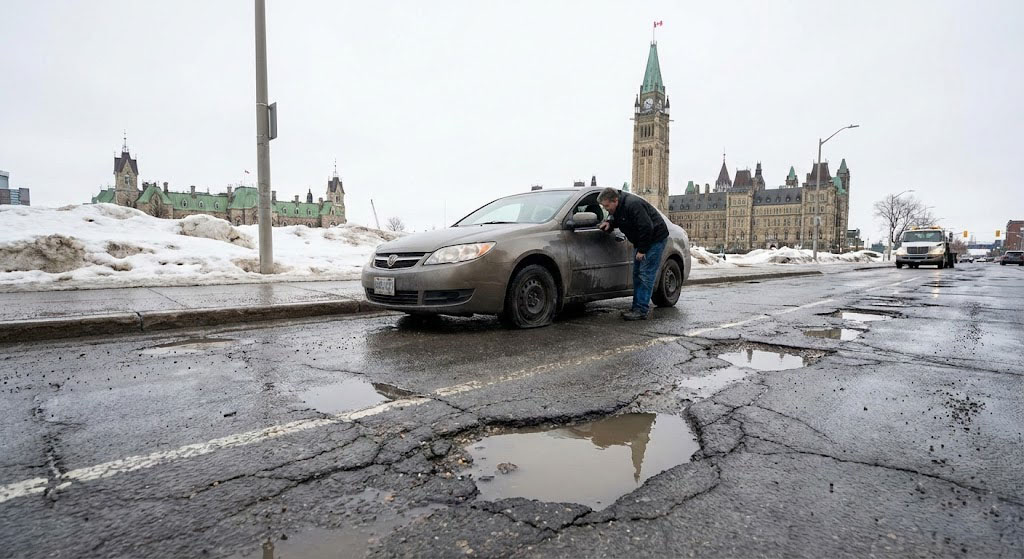
Spring in Ottawa and Gatineau brings warmer weather, melting snow, and unfortunately, one of the most frustrating driving hazards: potholes. The freeze-thaw cycles that define Quebec and Ontario winters create thousands of potholes every year, causing millions of dollars in vehicle damage across the region. Ottawa repairs over 250,000 potholes annually, but new ones appear faster than crews can fill them during peak pothole season from March through May.
If you’ve hit a pothole and suspect your vehicle is damaged, knowing what to do immediately can prevent further damage, help you document the incident for potential claims, and determine whether your car needs professional roadside assistance or towing services. This complete guide explains everything Ottawa-Gatineau drivers need to know about pothole damage during spring.
Why Spring Is Peak Pothole Season
Understanding how potholes form helps you recognize why they’re so prevalent in Ottawa-Gatineau during late winter and early spring.
The Freeze-Thaw Cycle
Potholes develop when water seeps into small cracks in asphalt. When temperatures drop below freezing, the water expands by approximately 9% as it turns to ice. This expansion creates pressure that forces the pavement upward, widening existing cracks and creating new ones.
When temperatures rise above freezing, the ice melts, leaving gaps beneath the pavement where the expanded ice previously existed. The weakened asphalt then collapses under the weight of traffic, creating potholes. Ottawa typically experiences 30-40 freeze-thaw cycles each winter, creating ideal conditions for extensive pothole formation.
Spring Thaw Acceleration
As sustained warmer weather arrives in March and April, rapid snowmelt floods road surfaces with water. This water infiltrates damaged pavement even faster, accelerating pothole growth. Small cracks from early winter become massive craters by mid-spring.
Heavy Traffic Worsens Damage
Every vehicle driving over weakened pavement compounds the damage. Heavy trucks, buses, and delivery vehicles create especially intense pressure that rapidly enlarges potholes once they begin forming.
Immediate Steps After Hitting a Pothole
What you do in the moments after hitting a pothole significantly affects your ability to identify damage and file claims later.
1. Safely Assess the Situation
If possible, pull over to a safe location away from traffic. Don’t stop in active lanes or on narrow shoulders where other drivers might hit you. Look for parking lots, wide shoulders, or side streets where you can safely inspect your vehicle.
Never slam on your brakes immediately after hitting a pothole, as this can cause loss of control, especially if the impact damaged steering or suspension components.
2. Check for Obvious Damage
Once safely stopped, perform a visual inspection looking for:
- Flat or rapidly deflating tires
- Visible bulges or cuts in tire sidewalls
- Bent or cracked wheel rims
- Fluid leaks under the vehicle
- Pieces of body panel or underbody components hanging loose
If you find severe damage like flat tires or broken wheels that prevent safe driving, you’ll need emergency tire change services or towing before continuing.
3. Document Everything
Use your smartphone to document the incident thoroughly. This documentation proves essential for insurance claims or city damage claims later.
Photos to Take
- The pothole that caused damage (from multiple angles)
- The pothole in context showing its location on the road
- Damage to your vehicle (tires, wheels, body damage)
- Your vehicle’s position relative to the pothole
- Any road signs indicating your location
- Landmarks or addresses showing exact location
Information to Record
- Date and exact time of incident
- Precise location (street address, intersection, or GPS coordinates)
- Weather and road conditions
- Your speed when you hit the pothole
- Whether the pothole was visible or hidden by water/slush
If other vehicles witnessed the incident or also hit the same pothole, try to obtain their contact information as potential witnesses.
4. Report the Pothole
Report the hazardous pothole to the municipality immediately so it can be repaired before causing more damage. This also creates an official record that the pothole existed at that location.
- Ottawa: Report online at ottawa.ca or call 3-1-1
- Gatineau: Report online at gatineau.ca or call 3-1-1
- Provincial highways: Contact the Ministry of Transportation
Save your service request number or confirmation email as documentation for potential claims.
5. Determine If Your Vehicle Is Safe to Drive
After initial inspection, carefully test your vehicle at low speeds in a safe area. Warning signs that your car is not safe to drive include:
- Steering pulls hard to one side
- Excessive vibration at any speed
- Visible tire damage or rapid air loss
- Unusual noises when turning or going over bumps
- Vehicle sits noticeably lower on one side
- Warning lights on the dashboard (ABS, tire pressure, check engine)
If you experience any of these symptoms, do not attempt to drive home. Call for emergency towing services to transport your vehicle safely to a repair facility.
Types of Pothole Damage
Potholes cause various types of vehicle damage depending on impact severity, vehicle speed, and which wheels hit the crater.
Tire Damage
Tires absorb the initial impact when hitting potholes. Common tire damage includes:
- Punctures and cuts: Sharp edges can slice tire rubber
- Sidewall bulges: Internal damage that creates dangerous weak spots
- Tread separation: Impact forces that separate tread from the tire body
- Rapid deflation: Damage that causes immediate or gradual air loss
Sidewall bulges are particularly dangerous as they can cause sudden tire blowouts at highway speeds. Never continue driving on tires with sidewall damage—replacement is mandatory.
Wheel and Rim Damage
Wheels bend or crack when forced against pothole edges. Aluminum alloy wheels are especially vulnerable to cracking, while steel wheels typically bend rather than break.
Even minor bends cause vibration, air leaks, and uneven tire wear. Severely bent wheels cannot safely hold tires and require immediate replacement before driving.
Suspension Component Damage
Suspension systems absorb road impacts, but potholes exceed design limits. Common suspension damage includes:
- Bent control arms
- Damaged shock absorbers or struts
- Broken ball joints
- Damaged tie rod ends
- Bent or cracked subframes
Suspension damage affects handling, alignment, and safety. Symptoms include excessive bouncing, clunking noises, or pulling to one side during driving.
Steering and Alignment Issues
Pothole impacts knock wheels out of alignment, causing rapid tire wear and requiring constant steering correction to maintain straight-line driving. Severe impacts can damage steering components including the steering rack, tie rods, or power steering system.
Underbody and Exhaust Damage
Low-clearance vehicles or deep potholes can cause the vehicle’s underbody to strike the pavement. This damages:
- Exhaust pipes and mufflers
- Catalytic converters
- Oil pans
- Transmission pans
- Fuel tanks
- Brake lines
Fluid leaks after hitting potholes indicate serious underbody damage requiring immediate professional attention.
Getting Your Vehicle Inspected
Even if damage isn’t immediately obvious, professional inspection after significant pothole impacts prevents discovering hidden damage weeks later when it becomes more expensive.
What Professional Inspections Include
Mechanics inspect multiple systems affected by pothole impacts:
- Complete tire inspection including sidewalls and tread
- Wheel inspection for bends, cracks, or damage
- Suspension component examination
- Steering system check
- Alignment measurement
- Underbody inspection for scrapes or damage
- Brake system check
Professional inspection costs $50-$100 but can identify problems before they worsen or cause unsafe conditions.
When to Get Inspected
Schedule inspection if:
- The pothole impact was severe or at high speed
- You notice any changes in handling or ride quality
- New noises develop after the impact
- Your steering wheel is no longer centered when driving straight
- You’re planning to file a damage claim
Inspection reports provide documentation supporting insurance or city damage claims.
Pothole Damage Repair Costs
Understanding typical repair costs helps you budget and determine whether filing claims is worthwhile.
Common Repair Cost Ranges
- Tire replacement: $100-$300 per tire
- Wheel repair (minor): $75-$150 per wheel
- Wheel replacement: $150-$500+ per wheel for alloys
- Wheel alignment: $80-$150
- Suspension component replacement: $200-$800 per component
- Exhaust repairs: $150-$600 depending on damage
- Underbody repairs: $300-$2,000+ depending on extent
Severe pothole damage involving multiple components can easily exceed $1,000-$3,000 in repair costs.
Filing Claims for Pothole Damage
Multiple avenues exist for seeking compensation for pothole damage, though success isn’t guaranteed.
Filing Claims with the City of Ottawa
Ottawa accepts claims for damage caused by potholes or other road defects, but approval requires meeting specific criteria.
Claim Requirements
To have a chance of successful claims, you must prove:
- The pothole caused your damage
- The city knew or should have known about the pothole
- The city had reasonable time to repair it but failed to do so
- The damage is directly attributable to the pothole
How to File
Contact the City of Ottawa’s claims department within a reasonable timeframe (ideally immediately). Provide:
- Completed claim form
- Photos of pothole and damage
- Repair estimates or invoices
- Service request number from reporting the pothole
- Witness statements if available
Success Rates
City claims succeed relatively rarely, as municipalities enjoy legal protection from claims related to road maintenance issues. However, particularly severe cases with clear documentation sometimes result in compensation.
Filing with Gatineau or Other Municipalities
Quebec municipalities follow similar processes but different legal standards. Contact Gatineau’s claims department directly for their specific procedures and requirements.
Insurance Claims
Your auto insurance may cover pothole damage under collision or comprehensive coverage, depending on your policy specifics.
When Insurance Covers Pothole Damage
Collision coverage typically covers pothole damage since it results from your vehicle striking an object. However, you’ll pay your deductible, and claims may affect future premiums.
When to File Insurance Claims
Consider filing insurance claims when:
- Repair costs exceed your deductible by $500+
- City claims are denied or unlikely to succeed
- Damage is severe enough to potentially affect vehicle safety
For damage barely exceeding your deductible, paying out-of-pocket may be cheaper long-term if claims raise your premiums.
Preventing Pothole Damage
While avoiding all potholes is impossible, defensive driving strategies minimize damage risk during peak pothole season.
Driving Strategies
- Slow down: Reduced speed lessens impact force dramatically
- Increase following distance: Gives more time to spot and avoid potholes
- Watch ahead: Look beyond the vehicle directly in front of you
- Note other drivers’ movements: Sudden swerving often indicates potholes ahead
- Avoid puddles: Water hides pothole depth and severity
- Don’t brake directly over potholes: Braking loads front suspension, increasing impact damage
- Drive in tire tracks: Packed areas where other vehicles travel often have fewer potholes
Vehicle Maintenance
Well-maintained vehicles withstand pothole impacts better than neglected ones.
- Maintain proper tire pressure: Underinflated tires suffer more damage
- Replace worn tires: Good tread provides better impact absorption
- Keep suspension in good condition: Worn shocks magnify pothole impacts
- Check alignment regularly: Proper alignment reduces stress on components
Spring is the ideal time for comprehensive vehicle maintenance after harsh winter conditions to ensure your car is in best shape to handle inevitable pothole encounters.
Route Planning
When possible, choose routes with better-maintained roads. Main arterial roads typically receive faster pothole repairs than residential streets. Highway 417 and major provincial roads are generally better maintained than municipal streets during peak pothole season.
What to Do If Your Car Becomes Undriveable
Severe pothole damage sometimes makes vehicles unsafe or impossible to drive.
Signs Your Car Needs Towing
- Flat tire with no spare or damaged spare
- Wheel damage preventing tire mounting
- Severe alignment issues making steering dangerous
- Fluid leaks indicating damaged oil pan or transmission
- Broken suspension components affecting vehicle stability
- Multiple damaged wheels
Getting Emergency Towing
If your vehicle cannot be safely driven after pothole damage, you’ll need professional towing to a repair facility. Flatbed towing services provide the safest transport for damaged vehicles, keeping all wheels off the ground and preventing additional damage during transport.
For vehicles with suspension damage or broken wheels, flatbed transport is essential rather than optional. Wheel-lift towing could worsen existing damage.
Spring Pothole Season Timeline in Ottawa-Gatineau
Understanding the typical pothole season helps you prepare and stay extra vigilant during peak periods.
Late February to Early March: Season Begins
First freeze-thaw cycles create initial potholes. City crews begin emergency repairs on major roads while still managing snow removal.
Mid-March to April: Peak Season
Sustained warmer temperatures and rapid snowmelt create thousands of new potholes daily. This represents the worst period for pothole damage. The City of Ottawa typically deploys specialized Python Pothole Patching machines working 12-hour shifts during this period.
May: Continued Repairs
Cities shift from emergency patching to comprehensive pothole repair programs. Roads begin improving as permanent repairs replace temporary patches.
June Onward: Maintenance Phase
Most major potholes have been repaired, though some persist on less-traveled residential streets until summer resurfacing programs address them permanently.
Related Services for Spring Driving Challenges
Beyond pothole damage, spring driving in Ottawa-Gatineau presents other challenges requiring professional assistance:
- 24/7 roadside assistance: For breakdowns, minor repairs, and emergency help
- Emergency tire replacement: Fast tire changes after pothole damage
- Jump start service: Battery boosts for vehicles that won’t start
- Vehicle lockout service: Professional key retrieval without damage
- Vehicle recovery: Extracting cars stuck in spring mud or remaining snow
- Emergency towing: Transport to repair facilities after damage
- Safe flatbed transport: For vehicles with wheel or suspension damage
- Long distance towing: Transport across regions when needed
- Complete towing services: Full range of assistance across Gatineau and Ottawa
Frequently Asked Questions
Can I claim pothole damage from the City of Ottawa?
Yes, you can file claims, but success requires proving the city knew about the pothole and had reasonable time to repair it but failed to do so. Provide thorough documentation including photos, repair estimates, and evidence the pothole was previously reported. However, municipalities have legal protections making successful claims relatively uncommon.
Does car insurance cover pothole damage?
Collision coverage typically covers pothole damage since it results from your vehicle striking an object. However, you’ll pay your deductible, which often ranges from $500-$1,000. Consider whether repair costs exceed your deductible enough to justify filing claims that might affect future premiums.
How much does pothole damage repair cost?
Costs vary widely depending on damage severity. Simple tire replacement costs $100-$300, while bent rims add $150-$500 per wheel. Suspension damage ranges from $200-$800 per component. Severe damage involving multiple components can exceed $2,000-$3,000 in total repairs.
Should I drive on a tire with sidewall bulge from a pothole?
Absolutely not. Sidewall bulges indicate internal tire damage that can cause sudden blowouts at any speed. Replace damaged tires immediately before driving. If you cannot change the tire yourself, call for professional tire change service rather than risking catastrophic failure.
How do I report potholes in Ottawa or Gatineau?
Report Ottawa potholes online at ottawa.ca or call 3-1-1. For Gatineau, use gatineau.ca or call 3-1-1. Provide specific location details and photos if possible. Save your service request number as documentation showing the pothole existed at that location, which supports future damage claims.
Can potholes damage my car’s alignment?
Yes, pothole impacts commonly knock wheels out of alignment. Symptoms include steering wheel off-center when driving straight, vehicle pulling to one side, and uneven tire wear. Get professional alignment checks after significant pothole hits, especially if you notice handling changes. Alignment service typically costs $80-$150.
What should I do immediately after hitting a pothole?
Safely pull over and inspect for obvious damage including flat tires, bent wheels, or fluid leaks. Document the pothole and damage with photos. Report the pothole to the municipality. If damage prevents safe driving, call for towing rather than risking further damage or accidents by continuing to drive.
When is pothole season worst in Ottawa?
Peak pothole season runs from mid-March through April when freeze-thaw cycles are most intense and rapid snowmelt floods roads with water. The City of Ottawa typically repairs over 250,000 potholes annually, with the vast majority appearing during these peak months.
Stay Safe During Spring Pothole Season
Spring pothole season is an unavoidable reality of driving in Ottawa-Gatineau, but knowing how to respond to damage minimizes costs, stress, and vehicle downtime. Stay vigilant, drive defensively, maintain your vehicle properly, and document thoroughly if damage occurs.
If you experience vehicle damage leaving you stranded or needing emergency assistance during pothole season or anytime, professional roadside and towing services are available 24/7 throughout Gatineau and Ottawa. Save (613) 518-3967 for immediate help when you need it most.
Need Emergency Roadside Assistance After Pothole Damage?
24/7 Service • Tire Changes • Towing • Gatineau & Ottawa
Call Anytime: (613) 518-3967
✓ Fast Response | ✓ Professional Service | ✓ Flatbed Available | ✓ Bilingual
Note: All prices mentioned in this article are provided for general reference and informational purposes only. These prices are not fixed and may vary depending on facts, market conditions, location, time, availability, or other relevant factors. Actual prices may change without prior notice. Readers are advised to verify details independently before making any decisions.