Long Distance Towing Guide: Moving Your Vehicle Across Quebec Safely
Whether you’re relocating across Quebec, moving a vehicle from Montreal to Ottawa, transporting a recently purchased car from Quebec City to Gatineau, or dealing with a breakdown far from home, long distance towing requires different considerations than local towing services.
This comprehensive guide covers everything you need to know about long distance towing across Quebec, including preparation steps, what to expect during transport, cost considerations, and how to ensure your vehicle arrives safely at its destination.
What Is Considered Long Distance Towing?
Long distance towing typically refers to transporting vehicles over distances exceeding 50-100 kilometers, though the exact definition varies by service provider. Unlike local towing that moves vehicles a few kilometers to nearby repair shops, long distance towing involves strategic planning, specialized equipment, and extended transport times.
Common long distance routes in Quebec include Montreal to Ottawa (approximately 200 km), Quebec City to Montreal (250 km), Gatineau to Trois-Rivières (200 km), and Sherbrooke to Montreal (150 km). These distances require professional handling to ensure vehicle safety throughout the journey.
Common Reasons for Long Distance Towing
Understanding why people need long distance towing helps you recognize when this service is your best option.
Vehicle Breakdowns Far from Home
Mechanical failures during road trips or long commutes leave drivers stranded far from their regular mechanics. Rather than using multiple short-distance tows, long distance service transports your vehicle directly to your trusted repair facility or home.
Vehicle Purchases from Distant Locations
When buying a used car from a private seller or dealer in another city, long distance towing provides safe transport for vehicles you can’t or don’t want to drive immediately, especially if they need mechanical work or safety inspections first.
Relocations and Moves
Moving to a new city sometimes involves transporting multiple vehicles or moving a vehicle you can’t drive yourself during the moving process. Professional towing ensures your car arrives safely at your new location.
Returning Vehicles After Accidents
After accidents far from home, damaged vehicles need transport back to your local area for insurance assessment and repairs. Long distance towing handles this situation while protecting damaged vehicles from further harm.
Classic Car and Collector Vehicle Transport
Valuable collector cars purchased at auctions or from distant sellers require professional transport to avoid adding mileage and wear. Enclosed or flatbed transport protects these investments during long journeys.
Seasonal Vehicle Transport
Snowbirds and seasonal residents sometimes need vehicles moved between summer and winter locations without driving them, particularly older vehicles or those not suitable for long highway drives.
Flatbed vs. Wheel Lift for Long Distance Towing
The towing method used significantly impacts your vehicle’s safety during long distance transport.
Why Flatbed Is Preferred for Long Distances
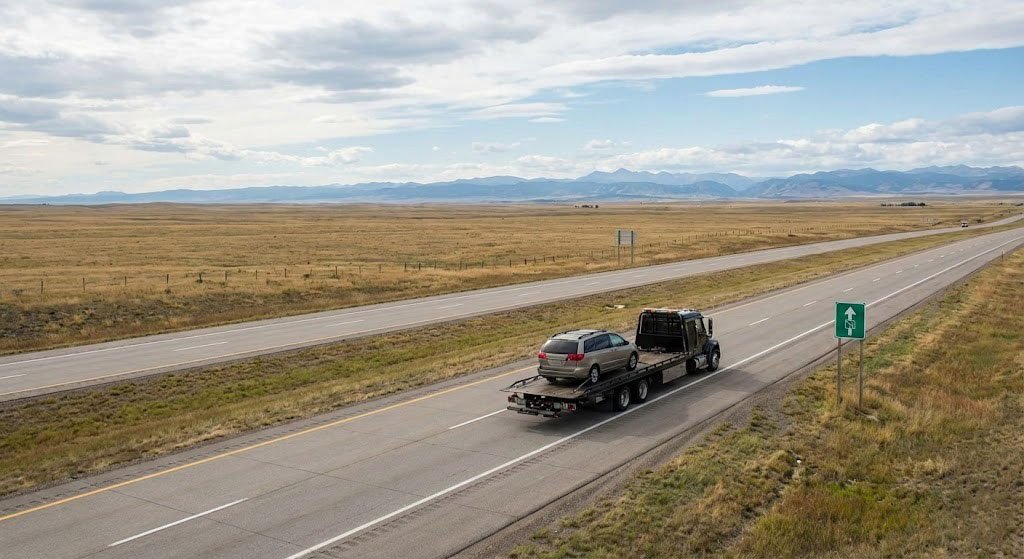
Flatbed towing services keep all four wheels off the ground, eliminating wear on tires, suspension, and drivetrain components. Over distances of 100+ kilometers, this protection becomes increasingly important.
Flatbed transport also provides superior stability on highways, reduces risk of damage from road debris or potholes, and allows for safe transport regardless of weather conditions. For all-wheel-drive vehicles, flatbed is the only safe option for any distance.
When Wheel Lift Might Be Used
Wheel lift towing for long distances is generally discouraged except for front-wheel or rear-wheel drive vehicles traveling relatively shorter distances (50-100 km) where cost savings are prioritized over maximum protection.
However, the risk of drivetrain stress, tire wear, and potential damage typically makes flatbed worth the extra cost for any distance exceeding 50 kilometers.
Preparing Your Vehicle for Long Distance Towing
Proper preparation protects your vehicle and streamlines the towing process.
Remove or Secure Loose Items
Take personal belongings, loose change, phone chargers, GPS devices, and anything not permanently attached to the vehicle. Vibration and movement during transport can shift items, potentially causing interior damage or creating hazards.
If you must leave items inside, secure them in the trunk or glove compartment. Never leave valuables visible, as vehicles sometimes require storage stops during long transports.
Document Vehicle Condition
Before towing, photograph your vehicle from multiple angles, including close-ups of any existing damage, scratches, or dents. These photos provide evidence of pre-existing condition should any disputes arise about transport damage.
Note the odometer reading, fuel level, and any warning lights illuminated on the dashboard. This documentation protects both you and the towing company.
Check Tire Pressure and Condition
Even on flatbed towing, properly inflated tires are important for loading and unloading. Check that tires are inflated to recommended pressure and have adequate tread. If tires are severely damaged, inform the towing company in advance.
Disable Alarms and Alert Systems
Car alarms triggered during loading or transport create unnecessary complications. Disable alarm systems or provide the towing operator with clear instructions for silencing alarms if they activate.
Secure or Remove Custom Accessories
Remove or secure antennas, bike racks, ski racks, spoilers, or other accessories that could be damaged during loading or transport. Low-clearance modifications should be communicated to the towing company beforehand.
Ensure Accessible Tow Points
Aftermarket bumpers, body kits, or undercarriage modifications sometimes obstruct standard tow points. Inform the towing operator about any modifications that might affect loading procedures.
What to Expect During Long Distance Towing
Understanding the process helps you prepare and know what’s normal during transport.
Initial Vehicle Inspection
When the tow truck arrives, the operator conducts a thorough inspection, noting existing damage and confirming vehicle details. This walkthrough protects both parties by documenting the vehicle’s condition before transport begins.
Secure Loading Process
Loading onto a flatbed takes 15-30 minutes depending on vehicle condition and situation. Operators use specialized winches, ramps, and securing equipment to safely load your vehicle without causing damage.
Your vehicle is secured using multiple attachment points with heavy-duty straps or chains designed to prevent any movement during highway travel. Proper securing is critical for safe long distance transport.
Transit Time Considerations
Long distance towing takes significantly longer than driving the same route yourself. Tow trucks travel at reduced speeds for safety, must comply with commercial vehicle regulations, and may require rest breaks for driver safety.
For example, Montreal to Ottawa (200 km) typically requires 3-4 hours for towing versus 2 hours driving. Quebec City to Montreal (250 km) might take 4-5 hours for towing. Plan accordingly when scheduling delivery.
Potential Stops or Delays
Very long distance tows may require fuel stops, rest breaks, or overnight storage if the distance exceeds what can be safely completed in one shift. Reputable companies inform you of these possibilities when providing quotes.
Delivery and Final Inspection
Upon arrival at the destination, the operator carefully unloads your vehicle and allows you to inspect it before signing off on the delivery. Check for any new damage and compare against your pre-transport photos before accepting delivery.
Long Distance Towing Costs in Quebec
Understanding pricing structures helps you budget appropriately and recognize fair rates.
Typical Rate Structures
Long distance towing usually combines a base fee plus per-kilometer charges, though many companies offer flat-rate pricing for common routes. Base fees typically range from $150-$300, with per-kilometer charges of $3-$5.
However, negotiated flat rates for established routes often provide better value. Montreal to Ottawa might be quoted at $450-$700 flat rate versus itemized distance pricing that could exceed this range.
Sample Long Distance Towing Costs
Based on current 2026 Quebec rates:
- Gatineau to Montreal (200 km): $400-$650
- Montreal to Quebec City (250 km): $500-$800
- Ottawa to Toronto (450 km): $900-$1,400
- Sherbrooke to Montreal (150 km): $350-$550
- Trois-Rivières to Gatineau (200 km): $400-$650
These ranges assume standard passenger vehicles using flatbed service during normal business hours. Larger vehicles, after-hours service, or special circumstances increase costs.
Factors Affecting Long Distance Towing Costs
Several variables influence the final price beyond just distance traveled.
Vehicle Type and Size
Standard sedans and compact cars fall into base pricing. Large trucks, SUVs, and vehicles requiring heavy duty towing incur surcharges of $100-$300 or more depending on size and weight.
Time and Day of Service
After-hours long distance towing typically adds $50-$150 to the total cost. Weekend and holiday service may also carry premiums. When possible, scheduling weekday daytime service saves money.
Route Complexity
Direct highway routes cost less than journeys requiring navigation through urban traffic, construction zones, or rural roads with limited access. Difficult pickup or delivery locations add to the price.
Vehicle Condition
Inoperable vehicles with flat tires, locked brakes, or missing wheels require extra effort to load. Severely damaged vehicles needing special handling increase costs by $50-$200 depending on complexity.
Ways to Save on Long Distance Towing
Several strategies can reduce long distance towing expenses without compromising service quality.
Get Multiple Quotes
Unlike emergency towing where time pressure limits options, planned long distance transport allows you to request quotes from multiple providers. Price differences of $100-$300 for the same route aren’t uncommon.
Schedule Flexibility
If you don’t need immediate transport, scheduling around the towing company’s availability rather than demanding specific times often results in lower pricing. Companies appreciate flexibility and may offer discounts.
Check Insurance Coverage
Some comprehensive auto insurance policies include long distance towing coverage beyond basic roadside assistance limits. Review your policy or call your insurer to understand available benefits before paying out of pocket.
Consider Backhaul Opportunities
Towing companies sometimes offer reduced rates if your route aligns with a truck already heading in that direction. Ask if backhaul or return-trip discounts are available.
Choosing a Long Distance Towing Provider
Selecting the right company ensures your vehicle receives proper care during transport.
Verify Licensing and Insurance
Long distance towing companies should carry appropriate commercial vehicle licensing, towing permits, and comprehensive liability insurance. Don’t hesitate to ask for proof of insurance before committing to service.
Confirm Equipment Availability
Ensure the company has flatbed trucks suitable for long distance highway travel and that the equipment can accommodate your vehicle’s size, weight, and any special requirements like low ground clearance.
Check Reviews and Reputation
Research the company’s reputation through online reviews, Better Business Bureau ratings, and recommendations from trusted sources. Long distance transport requires reliability and professionalism.
Clarify Communication Procedures
Understand how you’ll receive updates during transport. Reputable companies provide tracking information or regular status updates, especially for very long distances requiring multiple hours.
Review Contract Terms Carefully
Before signing, ensure the contract clearly states pickup location, delivery address, estimated timeline, total cost, payment terms, and liability provisions. Never sign blank contracts or agreements with missing information.
Understand Cancellation and Delay Policies
Weather, mechanical issues, or other unforeseen circumstances sometimes affect schedules. Know the company’s policies regarding delays, cancellations, and what compensation, if any, applies to missed delivery windows.
Special Considerations for Different Vehicle Types
Various vehicles have unique long distance towing requirements.
All-Wheel Drive and Four-Wheel Drive Vehicles
AWD and 4WD vehicles absolutely must use flatbed transport for long distances. Towing with wheels on the ground causes expensive drivetrain damage. Confirm the towing company understands your vehicle’s drivetrain configuration.
Luxury and High-Value Vehicles
Expensive vehicles warrant extra protection during long distance transport. Consider requesting enclosed transport if available, or verify the flatbed truck’s condition before loading. Take extensive pre-transport photos documenting pristine condition.
Classic and Collector Cars
Antique and collector vehicles require white-glove service during long distance moves. Use specialized auto transport companies experienced with valuable classics, or ensure your towing service provider understands the vehicle’s value and special handling needs.
Motorcycles and Powersports Equipment
Motorcycles need flatbed transport with proper tie-down systems designed for two-wheeled vehicles. Standard car towing equipment won’t properly secure motorcycles, making specialized experience essential.
Commercial Vehicles and Trucks
Large commercial trucks, delivery vehicles, and work trucks may require heavy duty equipment and special handling. Discuss your vehicle’s specifications including weight, dimensions, and any cargo considerations when requesting quotes.
Long Distance Towing During Quebec Winters
Winter conditions create additional challenges for long distance vehicle transport across Quebec.
Weather-Related Delays
Snowstorms, ice storms, and extreme cold affect highway conditions and may delay scheduled transport. Reputable companies prioritize safety over schedules and won’t attempt dangerous winter transport just to meet deadlines.
Vehicle Protection from Road Salt
Quebec highways use heavy road salt during winter months. Flatbed transport protects your vehicle from salt spray that would otherwise coat it during long highway drives, especially valuable for protecting undercarriage and body panels.
Cold Weather Loading Challenges
Frozen ground, icy surfaces, and extreme cold make loading more challenging and time-consuming. Allow extra time for winter pickups and understand that operators prioritize safety over speed during icy conditions.
Communication During Winter Travel
Maintain open communication channels during winter long distance towing. Expect updates if weather conditions require route changes or delays. Flexibility regarding delivery times becomes especially important during harsh winter weather.
Alternative Long Distance Transport Options
Long distance towing isn’t the only way to move vehicles across Quebec. Understanding alternatives helps you choose the best solution.
Driving the Vehicle Yourself
If the vehicle is operational and safe to drive, this is usually the most economical option. However, consider the costs of fuel, accommodation for long journeys, wear on the vehicle, and your time investment.
For non-operational vehicles or those you prefer not to drive long distances, professional towing provides peace of mind and often proves worthwhile despite higher upfront costs.
Auto Transport Companies
Specialized auto transport companies use large multi-car carriers to move vehicles long distances. These services often cost less than individual towing for very long distances but may take several days and involve multiple transfers.
For distances exceeding 500-1000 kilometers, comparing auto transport pricing against flatbed towing makes sense. Shorter distances within Quebec typically favor standard towing services.
Hiring a Driver
For operational vehicles, hiring a professional driver to deliver your car costs less than towing. However, this adds mileage and wear, and potential liability if accidents occur during delivery.
When to Combine Towing with Other Services
Long distance towing sometimes involves additional services before or after transport.
Emergency Roadside Assistance Before Towing
If your breakdown occurs far from home, emergency roadside assistance might resolve the problem without requiring long distance towing. Battery boosts, tire changes, or minor repairs could save hundreds compared to long towing costs.
Vehicle Recovery Services
Vehicles stuck off-road or in ditches require recovery and winching services before long distance towing can begin. Combining these services with one provider simplifies logistics and often reduces total costs.
Storage During Transit
Very long distance tows or timing mismatches between pickup and delivery availability may require temporary vehicle storage. Understand storage costs, security measures, and insurance implications before agreeing to overnight or multi-day storage.
Related Services You May Need
- Battery jump start: For vehicles sitting unused before long distance transport
- Mobile tire service: Replacing flat tires before transport
- Vehicle unlocking: If keys are locked inside before scheduled pickup
- Emergency towing: Immediate short-distance towing to reach safe staging areas
Insurance and Liability for Long Distance Towing
Understanding insurance coverage protects you financially if problems occur during transport.
Towing Company Insurance
Reputable long distance towing companies carry comprehensive liability insurance covering damage that occurs during their care. Verify coverage amounts and understand what’s included before transport begins.
Your Auto Insurance Coverage
Review your comprehensive and collision coverage. Most policies protect your vehicle regardless of who’s driving or transporting it, but understanding specific terms prevents surprises if claims become necessary.
Gap Coverage Considerations
High-value vehicles may warrant additional insurance specifically for transport. Some specialty insurers offer transport coverage for valuable classics or exotics where standard policies provide insufficient protection.
Documenting Condition for Claims
Your pre-transport and post-delivery photos become critical evidence if transport damage occurs. Thorough documentation supports insurance claims and disputes with towing companies.
Frequently Asked Questions
How much does long distance towing cost in Quebec?
Long distance towing in Quebec typically costs $400-$800 for distances of 150-250 km for standard vehicles using flatbed service. Costs vary based on exact distance, vehicle size, time of day, and route complexity. For accurate quotes, call (613) 518-3967 with your specific pickup and delivery locations.
How long does long distance towing take?
Expect towing to take approximately 1.5 to 2 times longer than driving the same route yourself. Tow trucks travel at reduced speeds for safety, must comply with commercial vehicle regulations, and may require rest breaks. Montreal to Ottawa (200 km) typically requires 3-4 hours versus 2 hours driving time.
Is flatbed towing required for long distances?
While not legally required for all vehicles, flatbed is strongly recommended for any distance exceeding 50-100 km. Flatbed protects your vehicle from wear, drivetrain stress, and road hazards. AWD and 4WD vehicles absolutely require flatbed regardless of distance to prevent expensive drivetrain damage.
Can I ride in my car during long distance towing?
No. For safety and legal reasons, you cannot ride in a vehicle being towed. Arrange separate transportation or ride in the tow truck’s cab if the company permits and space allows, though many operators don’t allow passengers for liability reasons.
What happens if my vehicle is damaged during towing?
Document any damage immediately before signing delivery acceptance. Contact the towing company’s management to file a damage claim. Reputable companies carry insurance covering transport damage. Your pre-transport photos serve as evidence of the vehicle’s condition before towing began.
Can towing companies transport vehicles between provinces?
Yes, many Quebec towing companies provide interprovincial transport, commonly serving routes like Montreal to Toronto, Ottawa to Toronto, or Quebec City to New Brunswick. Longer distances may require specialized auto transport companies rather than standard towing services.
Do I need to be present for pickup and delivery?
Generally yes, though arrangements can sometimes be made for representatives to handle pickup or delivery on your behalf. You must provide keys and verify the vehicle’s condition during loading and unloading, so presence or trusted representation is typically required.
How do I prepare my vehicle for long distance towing?
Remove personal items, document vehicle condition with photos, check tire pressure, disable alarms, and inform the operator of any modifications or damage. Ensure the vehicle is accessible at the scheduled pickup time and keys are available for loading.
Get Professional Long Distance Towing Across Quebec
Long distance vehicle transport requires expertise, proper equipment, and commitment to vehicle protection throughout the journey. Whether moving across Quebec or dealing with a breakdown far from home, professional towing services ensure your vehicle arrives safely.
For reliable long distance towing in Quebec, including routes between Gatineau, Ottawa, Montreal, Quebec City, and beyond, save (613) 518-3967 for 24/7 access to experienced operators with flatbed equipment suitable for long highway transport.
Need Long Distance Towing in Quebec?
Professional Flatbed Transport • Montreal to Ottawa • Gatineau to Quebec City
Call for Quote: (613) 518-3967
✓ Flatbed Transport | ✓ Insured & Licensed | ✓ Competitive Rates | ✓ Bilingual Service
Note: All prices mentioned in this article are provided for general reference and informational purposes only. These prices are not fixed and may vary depending on facts, market conditions, location, time, availability, or other relevant factors. Actual prices may change without prior notice. Readers are advised to verify details independently before making any decisions.